For years, I’ve believed that hip hop was headed toward the same evolution we’ve already seen in genres like rock and R&B — a clear separation into distinct sub-genres. On one side, there would be modern, chart-driven hip hop, built around current trends, sounds, and algorithms. On the other, there would be a lane dedicated to classic hip hop, rooted in lyricism, storytelling, boom bap production, and the culture’s original foundation.
That separation is no longer theoretical.
It’s happening right now.
Classic Hip Hop Never Left — The Lane Just Narrowed
Despite what the mainstream industry often suggests, classic hip hop never disappeared. The fans who grew up on Golden Era rap, lyrical depth, and authentic storytelling never stopped listening — they simply weren’t being prioritized by major labels or media outlets.
For a while, when some pioneers released new projects with mixed results, the narrative became that legacy artists had lost relevance. But that narrative ignored a key truth: the issue was never demand. The issue was quality, consistency, and respect for the sound.
Once those elements returned, so did the audience.
Legacy Artists Are Stepping Back Into Their Prime
In recent years, we’ve seen a noticeable shift. LL Cool J returned with renewed energy and focus. The Clipse reemerged with the same raw chemistry that made them icons. These weren’t nostalgia plays — these were sharp, intentional returns that reminded listeners why these artists mattered in the first place.
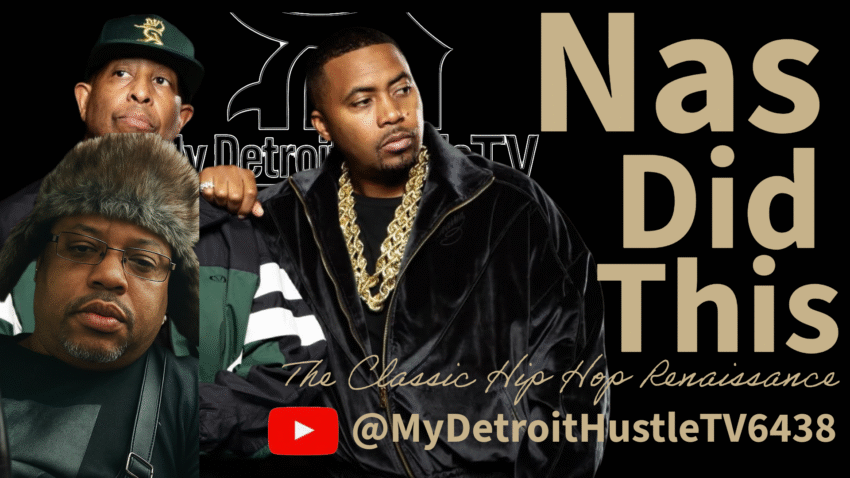
But the most significant force behind this resurgence has been Nas.
Nas and the Blueprint for the Classic Hip Hop Revival
Nas has done something rare in modern hip hop: he has outpaced many younger artists in consistency, output, and quality, all while staying true to a classic sound. Through projects like King’s Disease and the Magic series, Nas proved that lyrical, grown-man hip hop not only still works — it thrives.
More importantly, Nas demonstrated that legacy artists don’t need to chase trends to remain relevant. They simply need strong production, focused concepts, and respect for the craft.
The Biggest Move: Reopening the Lane for Other Legends
While Nas’ personal run has been impressive, his biggest impact may be what he’s done for other legacy artists.
Well-received releases connected to legends like:
• Raekwon
• Ghostface Killah
• De La Soul
• Carefully handled releases tied to Big L
have helped reset the narrative around classic hip hop. These projects weren’t framed as throwbacks — they were treated as important cultural contributions.
That distinction matters.
The conversation has shifted from “Why are they still rapping?” to
“When is the next project dropping?”
That shift has effectively reopened the lane for countless legacy artists who still have something meaningful to say.
The Audience Grew Up — and Hip Hop Grew With Them
Hip hop is now over 50 years old. The original fans are older, more established, and still deeply connected to the culture. Many of them don’t relate to today’s dominant trends, but they still want new music that respects hip hop’s roots.
Streaming platforms have made it easier than ever for artists to reach that audience directly. As a result, a new and clearly defined sub-genre has emerged:
Classic Hip Hop / Legacy Hip Hop / Golden Era Revival.
Whatever you choose to call it, the demand is real.
What This Means for the Future of Hip Hop
The resurgence of classic hip hop signals a healthy evolution, not a divide. Hip hop is finally big enough to support multiple lanes without one invalidating the other.
Because of this shift, we’re likely to see:
• More legacy artists releasing new albums
• More boom bap and classic-inspired producers gaining visibility
• A stronger market for lyrical, story-driven rap
• A clearer separation between modern mainstream hip hop and classic-style hip hop
This isn’t about competition — it’s about coexistence.
Classic Hip Hop Isn’t Coming Back — It’s Already Here
The resurgence of classic hip hop isn’t a trend, a moment, or a nostalgia cycle. It’s a movement powered by artists who never lost their skill and fans who never lost their love for the culture.
Nas helped reopen the door. Artists like LL Cool J and The Clipse walked through it. Now, the lane is wide open for any legacy artist willing to deliver quality, authentic hip hop.
Classic hip hop didn’t need saving.
It just needed space.
And now, it has it.
 Uncategorized